
All Blogs articles
By Paul Montgomery and Harry Farmer
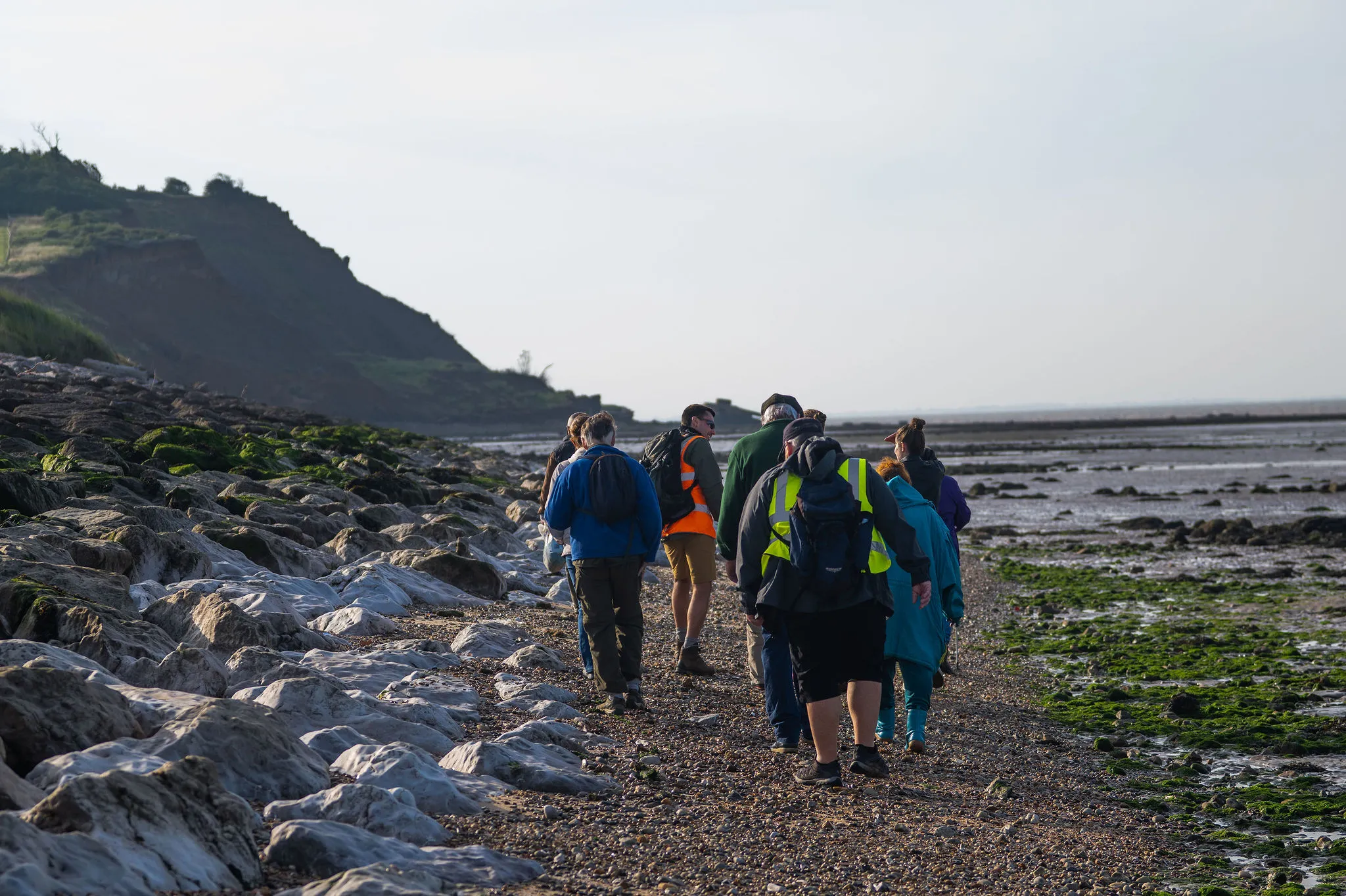
As the summer has now come to an end, we thought it was a good time to share with you some of our activities, working with members of the public and community groups in the Swale as part of our project’s outreach and training efforts. We collaborated with the organisers of the 2026 Festival of Sheppey, held on the island in June.
Our team has been holding several training events focused on the project's core issues: coastal change, coastal ecology, and the community's perception of the coastline over the past 100 years. Participants in our events attended a range of sessions using materials and skills related to archaeology and archival research. This gives them hands-on experience with material culture from archaeological sites along our coastlines, as well as the paper trail and evidence that written documents, maps, and pictures can reveal about past changes to the coast.
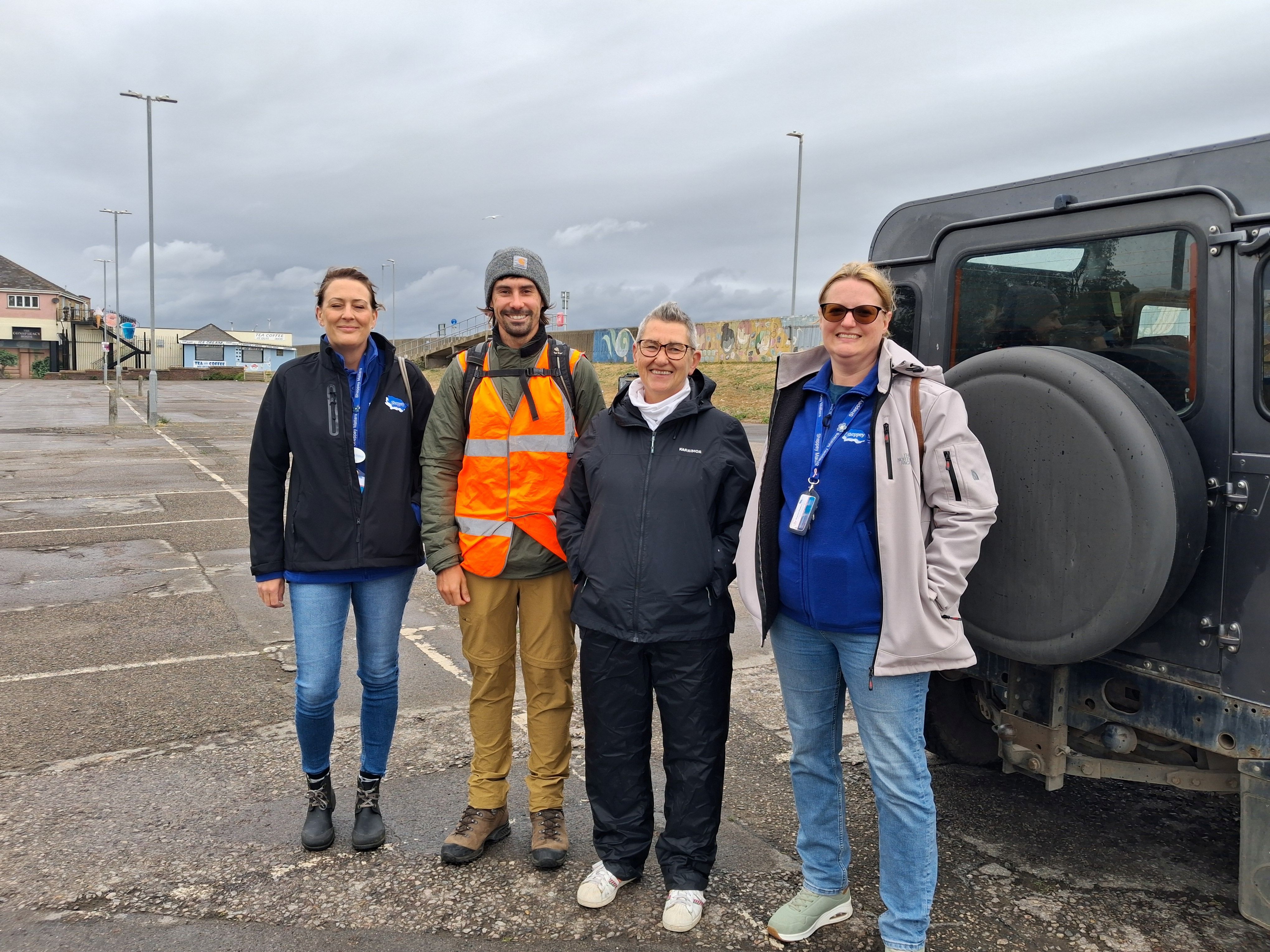
When working with the public, there’s always some groundwork needed to help them understand the worlds of archaeology and archival research, so they can enjoy the process and learn from it. With this in mind, we designed our events to cover enough ground to give participants a solid foundation in the project's terms and concepts, as well as a practical, hands-on experience they can take away from the event.
When dealing with the public in the context of this project, we try to consider some of the core issues of community archaeology projects, such as: who are the people or communities involved? Why are they involved? What is the nature of the archaeology and landscapes they will visit and be involved in? And how the community and archaeology interact. Many other practitioners and scholars are working on these questions. In this case, we’re using it primarily as a prism for viewing the project and our interaction with the public.
Who are the people or communities involved?
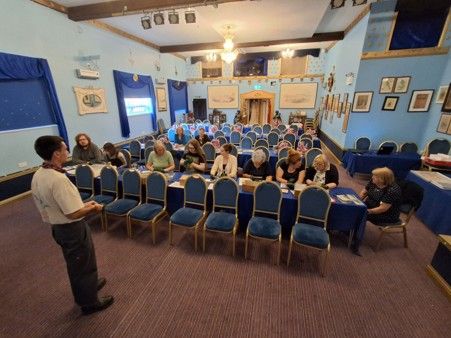
We’re aiming to involve and address the people and communities of the Swale Estuary through the project. As such, we are focusing on several “structurally disadvantaged” groups: including young people (aged 18-25) who are not in education, employment or training (known as NEETs). Local community groups like Sheppey Matters and Oasis Hub also serve community members in an area described as economically deprived. Our public workshops also targeted residents from the areas these groups work with.
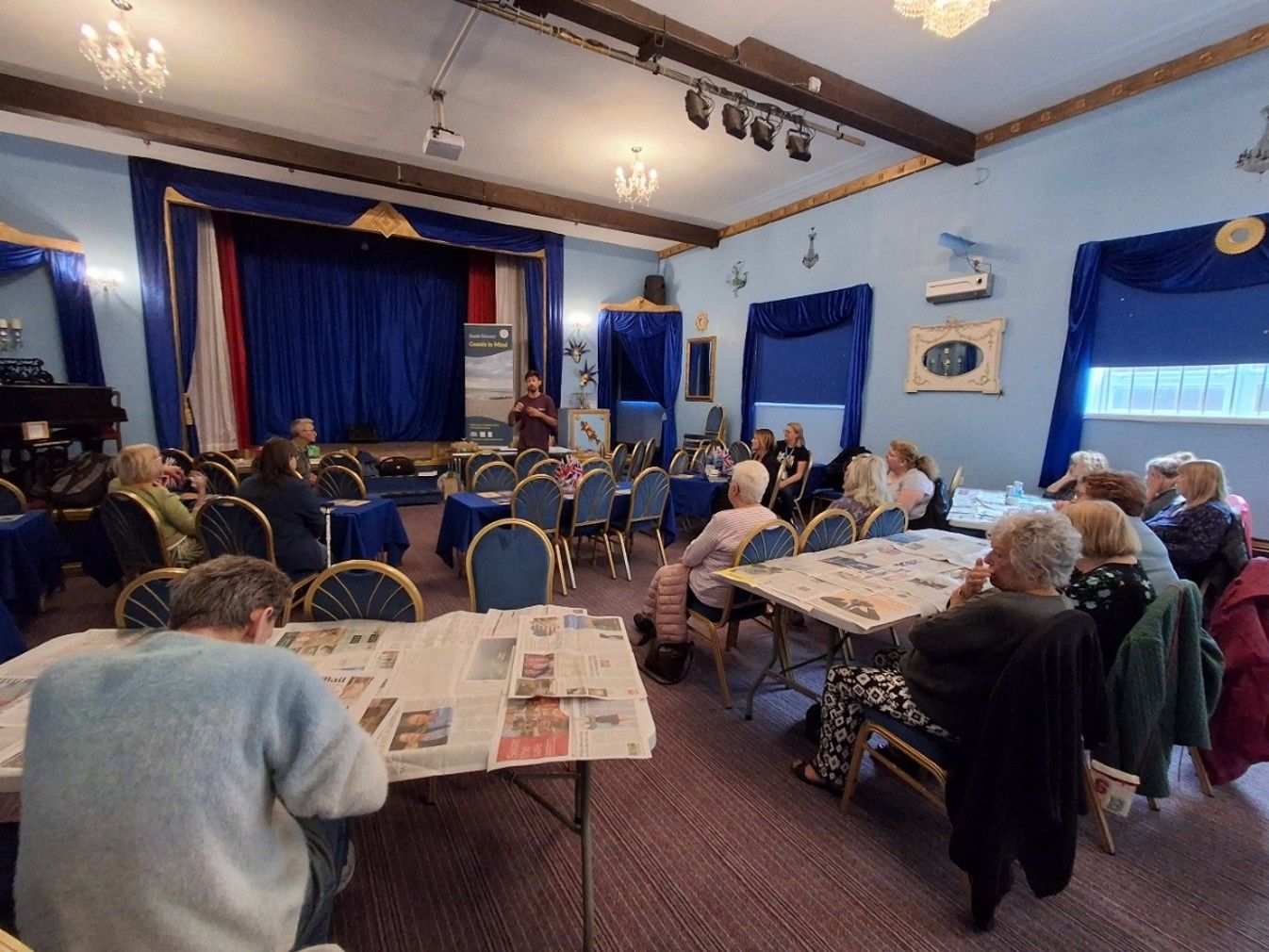
During our events, we have striven to bring representatives from these communities and backgrounds into the conversation. We offered them the opportunity to learn and experience new topics, many for the first time, in a relaxed, learning-friendly environment. For example, at an event held at the Criterion in Sheerness, a group of young Special Educational Needs (SEN) college students were surprised to learn that, in the early 20th century, Sheerness had its own public transport system: a tram that ran through the town between the port and the rail station. For many of these young people, it is their first exposure to archaeology and archival skills. During the event, they could clearly be seen to grow in confidence and their understanding of the materials they're handling. All the while developing an appreciation for their own shared past.
Why are they involved?
As with any community, a sense of identification with one's environment and location are strong pillars for individuals and communities, no matter their origin or makeup. In coastal communities, the contrast between land and sea, and being at the edge of one environment, adds layers that shape human identity, culture, and social structures. Historically, coastal communities have had a strong sense of Community of Practice (CoP): a group of people who share a common interest, set of problems, or passions shaped by their location and conditions. For communities and individuals, the interactions between how they see their environment and their perceived history is shaped by the landscape around them. Whether they are from a long-standing fishing family or are a newly arrived urbanite, location is everything.
During our events we invest in these feelings of place and bring participants experiences and knowledge of the area to the fore, revitalising and enriching the local community and stimulating the project simultaneously.
As a coastal-oriented project, we've naturally attracted the attention of many groups in our research area who are interested in conserving and promoting the coastline's maritime heritage and culture. We will create partnerships that benefit and support the project's goals and build capacity within local groups. Offering avenues of research exploration and skill acquisition that their members can use to further their own research and development in the coming years, after the end of this project. Helping to organise unique events that highlight the core issues of our project, including coastal change and the local community's memory of that change.
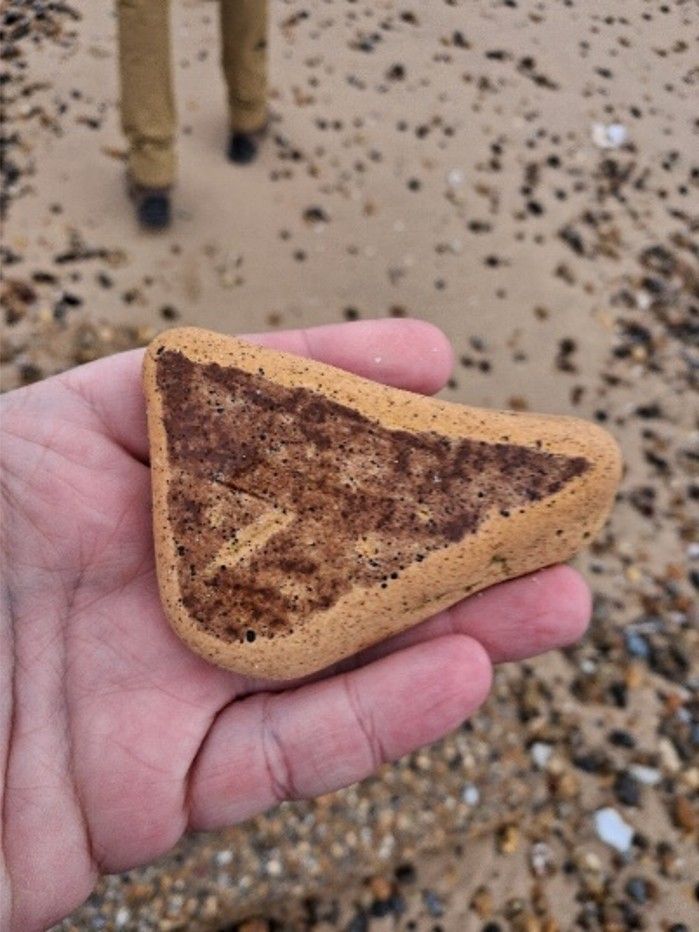
The nature of the archaeology and landscapes involved
In the Swale Estuary region, the coastal and tidal landscapes we are studying run from the Isle of Sheppey and Sittingbourne around the inner shores to Whitstable. The region's large, flat coastline has been a hive of human activity since prehistory, with large swathes of the intertidal zone once dry land and rich in history, dating back to before the coastline flooded at the end of the last Ice Age.
The area includes prehistoric sites and shell middens, along with evidence of Roman salt making, as well as historical shipwrecks, sunk within sight of land. Along with much more modern coastal infrastructure, such as 20th-century wartime defences, 19th-century recreation infrastructure, and modern wind farms.
Ecologically, the modern landscape includes diverse coastal habitats, including salt marshes, mudflats, Sites of Special Scientific Interest (SSSI) such as Elmley National Nature Reserve on the Isle of Sheppey, and several deep creeks and freshwater habitats that extend far inland.
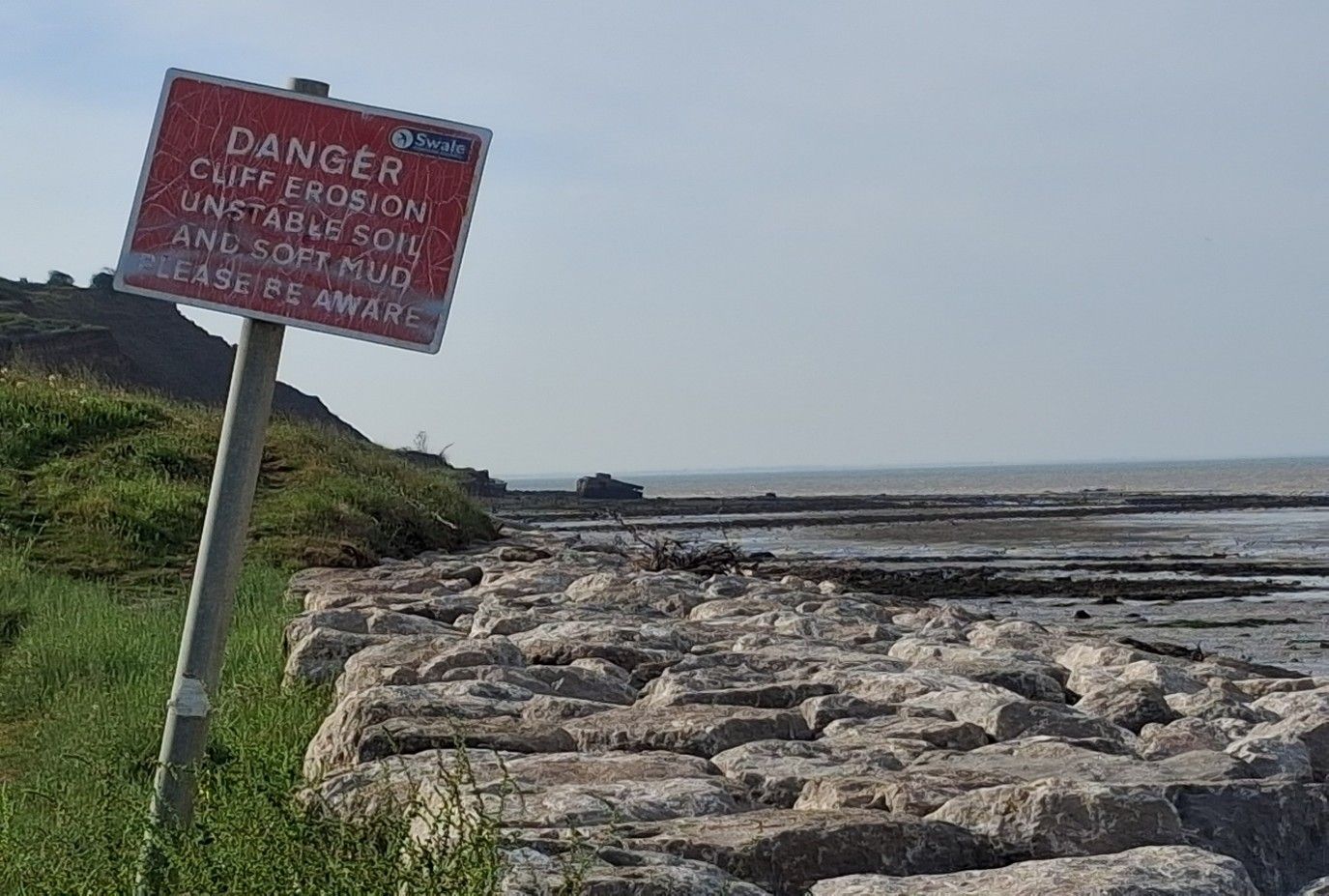
The archaeology and heritage of Kent is as diverse and complex as any region, and the knowledge of the archaeological record and the historical focus in the county is heavily driven by local research and academic groups such as the Kent Archaeological Society (KAS), the University of Kent, the Canterbury Archaeological Society, and the South East Research Framework (SERF). This has created a vibrant archaeological and heritage environment that has produced some of the country's most spectacular maritime discoveries, such as the Gravney boat (dating from around AD 895). The Swale has a shoreline of historical creeks, shipping hubs, ships, and ports, with remains, cargoes, submerged sites and landscapes. Economically dynamic, with several local economies of scale revolving around salt production, oyster harvesting, shipbuilding, and the portage of goods by sea and by land.
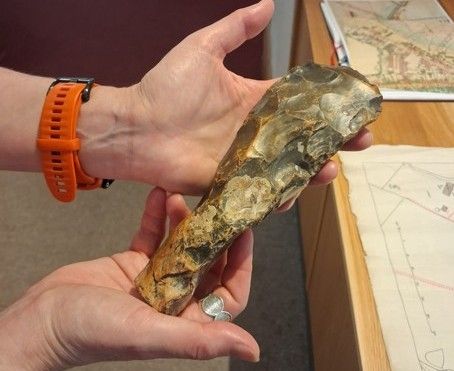
How the community and archaeology interact
In the context of community and archaeology, the coastline has created a number of cultural contexts in which archaeology and community interact in a myriad different ways. The region's coastline has been heavily shaped by successive coastal settlements and periods of reclamation and consolidation, intertwining many of the earliest archaeological sites and landscapes with the modern coastline of the Swale.
Towns such as Sheerness, Faversham, and Whitstable formed around historic ports and creeks that were centres of economic activity and represent some of the region's most substantial archaeological remains of its maritime past. Agricultural activities have also heavily shaped the coastline, as areas of the intertidal zone were reclaimed and unique ecological niches such as salt marshes and wetlands were consolidated behind coastal barriers.
On a local level, the primary point of interaction between the local community and their archaeology is through local museums, such as The Criterion, Blue Town, and the Queenborough Guildhall Museum in the case of the Isle of Sheppey. Across the wider region, small museums include the Whitstable Community Museum & Gallery and the Fleur De Lis Museum in Faversham. Small museums function as more than repositories of history or caretakers of archaeological material; they often serve as central community hubs, focused on community movements and volunteers interested in caring for and conserving local archaeology and history. These institutions are often supported by a cohort of volunteers and supportive organisations that form a local Community of Practice, with a deep understanding of, and interest in, conserving and preserving the area’s cultural heritage.
Coasts in Minds events in the Swale Estuary
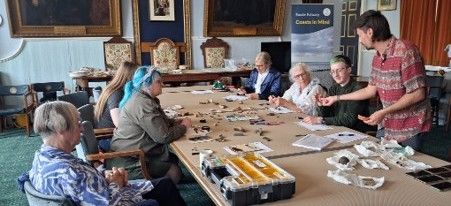
As part of our outreach initiative, we have hosted events with selected coastal communities around the Swale, giving participants a deeper understanding of the coast's natural environment and archaeology. Our events fall into three categories: archaeological handling/3D imaging courses, archival handling courses, and hybrid creative courses. In hybrid creative courses, participants study historical materials and create artworks that reflect this experience and the local historical environment.
In addition, our events are designed to give members of the public not just the opportunity to see archaeology and historical documents as they normally would in a museum setting, but also to have a hands-on experience and learn about these materials. For the archaeology handling courses, we bring together materials from the MOLA handling collection and artefacts from the local museums we collaborate with. This encourages a tactile experience that can inspire and engage members of the public with their own material culture and the deep history of their local region.
Participants were exposed to a range of materials, which they began to identify and record with support from MOLA staff. The events were interactive, allowing individuals to use their own knowledge and analytical skills to understand the materials they were working with. This created a low-tension learning environment, which allowed them not only to learn but also to develop their own thinking on these topics as part of the learning journey. The learning process moved from initial exposure to material culture to recording it themselves, so they learned not only about the new materials but also how we describe and record them on finds sheets. The final step in the participants' learning process was to teach them how to record objects in 3D. Participants recorded several objects using freely available modelling software (Polycam: 3D Scanner & Editor), allowing them to create 3D models. Learning in this new way using their personal phones gave them a new perspective on understanding and recording objects as part of their research.
We take the position that these events are a process of self-discovery and self-learning that participants can undertake, and that the events can contribute to the local capacity building of groups and institutions working at the community level.
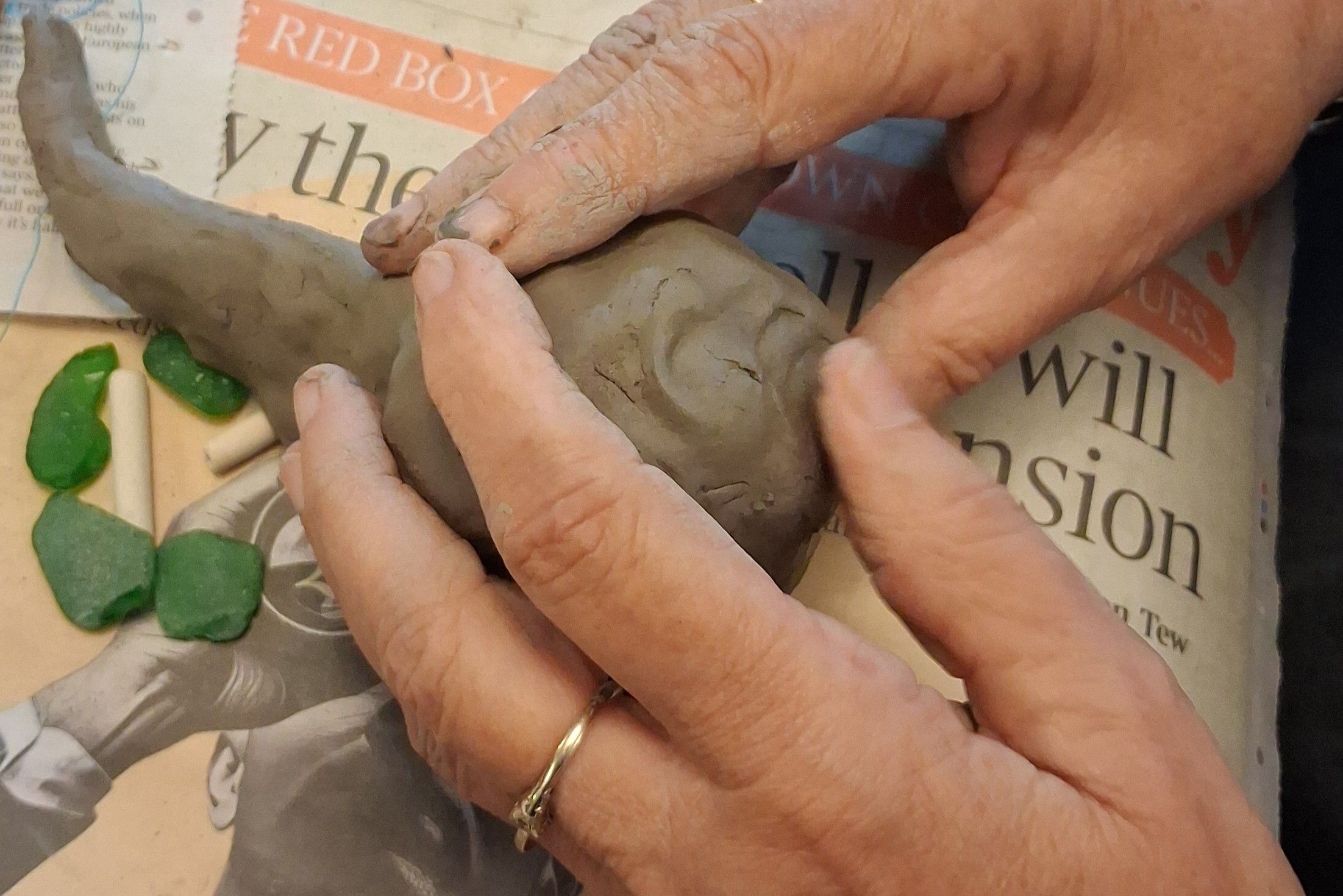
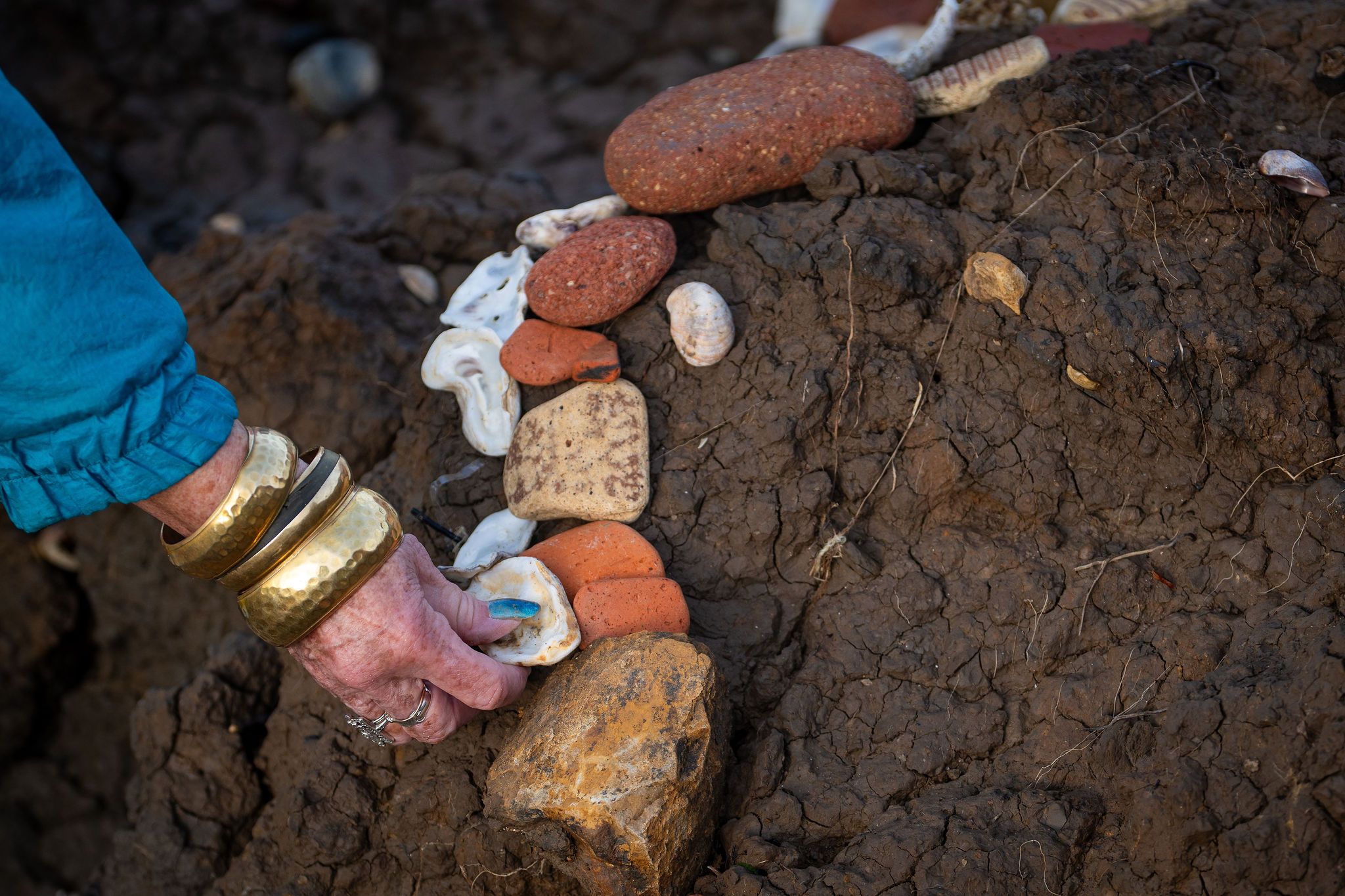
In addition to building foundational skills in artefact handling and archival work, we organised a series of creative indoor and outdoor workshops that integrated historical materials with artistic expression, facilitated by a local artist, Laurie Harpum. Guided by Laurie, participants engaged in sessions focused on historical and ecological themes, aiming to understand the natural environment and how to use materials found on local beaches.
These activities immersed participants in the coastal landscape and helped them assess ongoing environmental changes and processes. During the events, participants were introduced to the seven climate change indicators our project monitors along the coastline. This framework encouraged them to observe their environment with fresh perspectives and identify indicators like coastal erosion, shifts in local ecology, and evolving cultural practices. Using these observations, participants collected impressions and sometimes materials, which they later used in indoor sessions to create artworks reflecting their interpretations of the natural environment.
The primary objective of these events is to provide a platform for community members to learn about and articulate their knowledge of the region and the transformations that have taken place over the past century. Through discussions of historical periods and materials, the histories and narratives of local communities become more visible. Individual, family, and community stories are integrated into a broader collective narrative, which participants are encouraged to share during the day.
Feedback
During the events, we collected feedback from participants before and after the sessions to gauge what they found most interesting and enjoyable, and many of the participants returned each week eager to learn more and contribute further to the project.
One participant wrote: “That was good. I am very pleased with how engaged the students were … [they] seemed to get a lot out of it. I especially like how it helped them to understand their local places more and show a bit of pride in where they are from.” From: EKC Sheppey College, Archive Training Workshop (Heritage and Museum Skills).
In many cases, we’re working with young people who haven't been heard by or have been ignored by mainstream society. Helping them express themselves is a vital part of our project. Working with a generation more familiar with Instagram, Snapchat, and vlogging than with paper forms brings its own challenges. So, we've sometimes experimented with different recording methods, such as short sound bites and short video clips, to get a sense of how they think and how the inflexion of their word’s lands.
Participants in these activities often share their own experiences with us and their colleges during the events. This helps build communication links with people their own age and with those from different age groups or backgrounds, who often share the same environment but don’t always talk, let alone discuss history and archaeology. Community is more than proximity; it is a set of shared bonds, interests, and sometimes challenges that bring a group of people together.
Throughout our events, we've striven to expose participants to a wider range of academic and technical skills that will help them develop their own research interests. Projects like ours flourish when we adapt and shape our events to our community's needs, bringing them into the fold. By bringing the community along with us and securing buy-in for every activity and small goal, we can help shape the wider community and much larger events. Hopefully having a lasting, positive impact on the coastal zone and its residents.
Special thanks to our partners who we’ve collaborated with during the Sheppey Matters Festival:
Castle Connections - Queenborough Town Community Centre
Oasis Community Hub: Isle of Sheppey